

Decoding High Performance | Part 3

Decoding High Performance | Part 3

Decoding High Performance | Part 3

Man wearing white bunny hat with fake glasses and mustache design.

Sam Clark

Sam Clark

Organisational Specialist

Organisational Specialist

Organisational Specialist

High performance is defined by sustained results that matter in context. Until superior results show up consistently over time, the only thing you're showing is potential.

High performance conditions don't equal high performance results. If you want to turn potential into performance, get clear on the reusults that matter most.

Previous/Next Articles

Proving high performance

High performance is defined by sustained results that matter in context. They’re the truth test that converts effort into verified impact. 

Why it matters

Many organisations confuse high-performing conditions - like good behaviours, strong systems, and great intent - with high performance itself.

But until superior results show up repeatedly over time, you haven’t proven performance, you’ve only shown potential. 

Real life

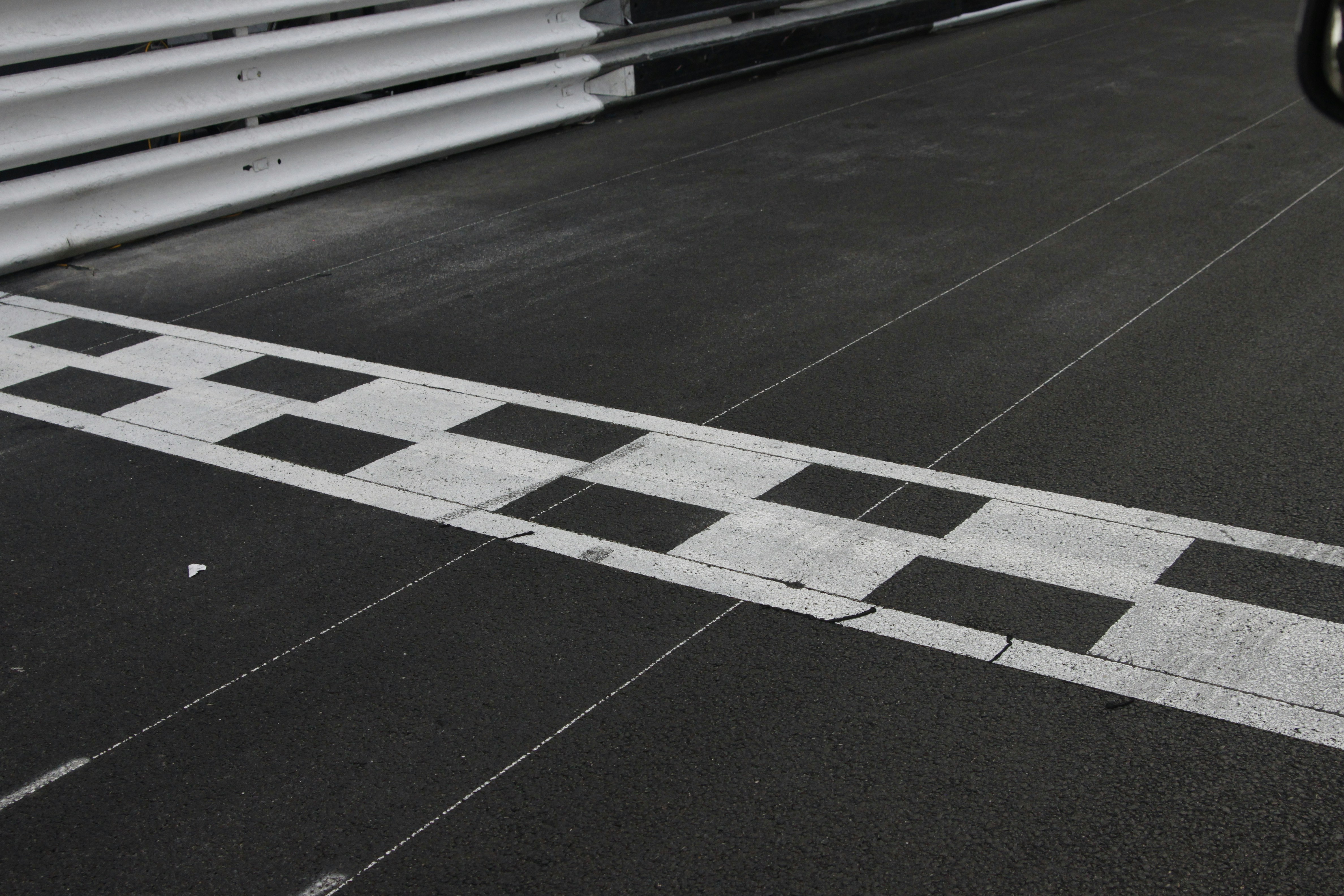
Formula One [F1] is a useful reference because performance is measurable, public and easily comparative.

In a sport that produces millions of data points per race, not everything that is measured is equal. Only outcomes that carry real impact, tightly linked to meaningful reward, define performance.

In F1, performance is measured by championship points. These points show an ability to consistently convert engineering and athletic effort into results that matter under pressure.

Crucially, it’s not a single win that defines high performance.

It’s the ability to consistently deliver and sustain these results over time. 

Build your own Results Ladder.

Convert potential to high-performance by building your own Results Ladder.

  1. Start by defining the results that matter in your business.  

Use measures in your industry that demonstrate excellence, not just the activity inputs you track. If the industry standard is shifting, name that shift explicitly.

  1. Then, separate your results into three categories: 

Top-Standard results: Which results represent the top external reward or recognition?
 
Valuable results: Which are valuable but don’t define the top standard alone? 

Progress results: Which tell us if we are progressing or improving? 


If you can’t point to a clear result, you're probably measuring activity, not performance.


Curious?

Stay tuned for Part 4: The Case for Direction.

Previous/Next Articles

more epiphanies

more epiphanies

Sam Clark

Organisational Specialist

May 28, 2026

Decoding High Performance | Part 2
High performance rarely happens in low-pressure environments. The best organisations create clarity around what matters, what's at risk, and why it counts.

Sam Clark

Organisational Specialist

May 28, 2026

Decoding High Performance | Part 2

High performance rarely happens in low-pressure environments. The best organisations create clarity around what matters, what's at risk, and why it counts.

Formula one engineering team

Sam Clark

Organisational Specialist

May 6, 2026

Decoding High Performance | Part 1
In this series, we’ll explore how to define and measure what’s really going on beneath the surface, how systems, behaviours and conditions interact to shape outcomes, and how different elements come together to create value.
Formula one engineering team

Sam Clark

Organisational Specialist

May 6, 2026

Decoding High Performance | Part 1

In this series, we’ll explore how to define and measure what’s really going on beneath the surface, how systems, behaviours and conditions interact to shape outcomes, and how different elements come together to create value.

User research diagram

Marianne Ross

UX Lead

May 7, 2026

What helps most when designing spaces for the people using them?
Workplace design shapes far more than how a workplace looks. It influences how people focus, collaborate, move, and get work done every day. It shapes culture, experience, and performance in very real, human ways. That’s why the decisions behind the design matter just as much as the design itself.
User research diagram

Marianne Ross

UX Lead

May 7, 2026

What helps most when designing spaces for the people using them?

Workplace design shapes far more than how a workplace looks. It influences how people focus, collaborate, move, and get work done every day. It shapes culture, experience, and performance in very real, human ways. That’s why the decisions behind the design matter just as much as the design itself.

Shape how people, systems and actions drive performance.

That Works

To help organisations see what they couldn't before.

©2026 That Works — All work, all rights.

Offline

That Works Major Hub. Level 1, 68 Northburne Av, Canberra ACT 2601

Create Studio LLC.
567 Sunset Blvd,
Suite 501

Los Angeles, CA 90026