


High performing organisations understand that every decision delivers both a near-term solution and an investment in the future. Sustained success is not only about achieving immediate results, but about strengthening the ability to respond and adapt to what comes next.
Decisions don’t just solve problems. They shape the environment in which problems are solved.
We often think of decisions as a moment in time. A choice is made, action follows and a result is produced. In reality, decisions are part of a continuous decision system that shapes how organisations operate, learn and perform.
Every decision leaves a footprint in people, culture, and operations, and builds or erodes decision capital through trust, experience and institutional memory. Over thousands of decisions, these effects compound and influence how well the organisation can make and execute the next choice.
Real life: The decisions that powered Mercedes' high performance
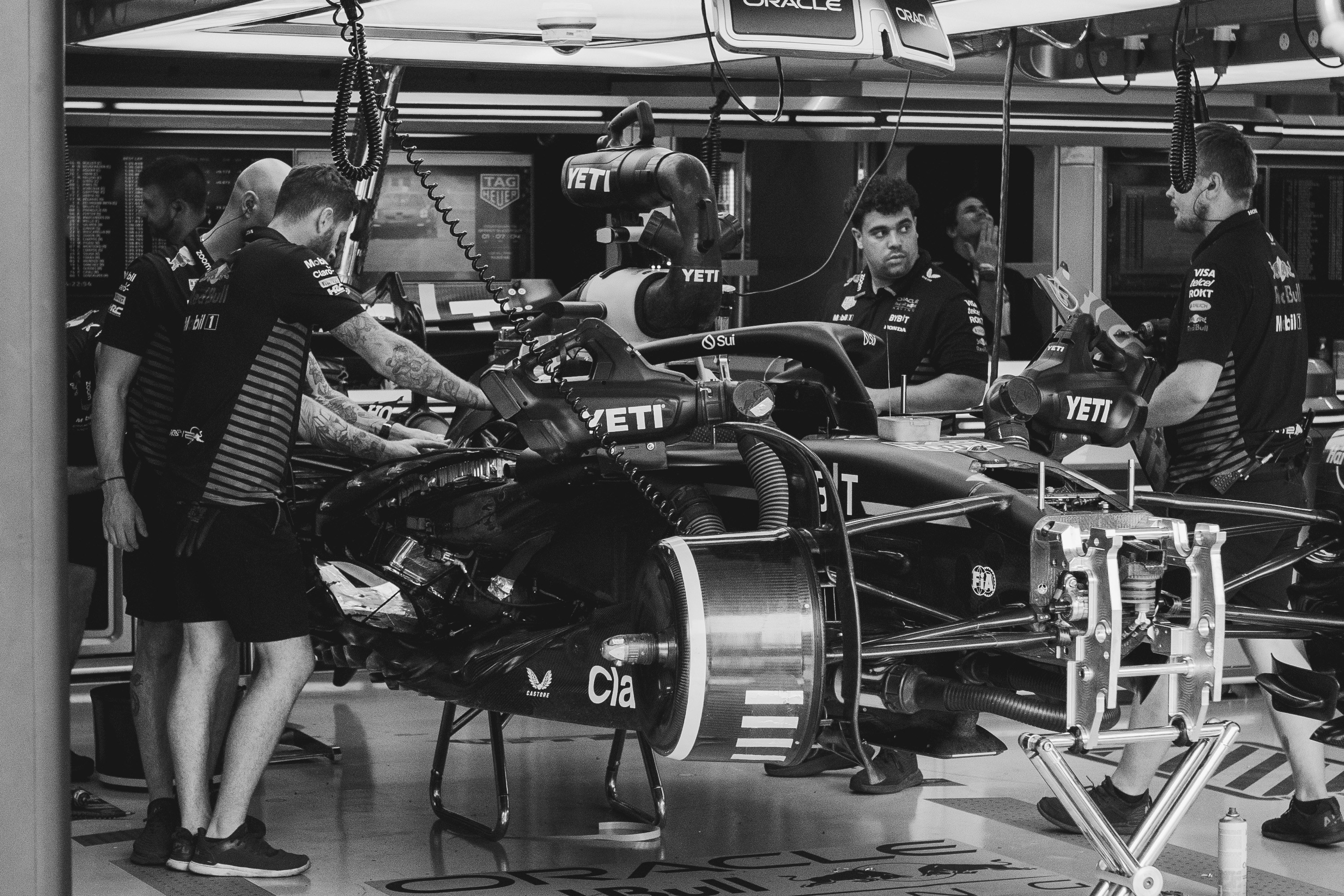
In 2013, Mercedes realised its new hybrid engine program was at serious risk of missing the opening race of the 2014 Formula One season.
To avoid failure, leadership responded by confronting the problem openly. Rather than focusing on winning the championship, they narrowed their focus to a single critical outcome: being race-ready.
Non-essential work was paused, and people were redeployed to the tasks that mattered most.
Those decisions delivered more than a technical solution. They left a lasting impact across people, culture and operations. Teams worked longer hours, anxiety increased, and technical debt accumulated as schedules were compressed to meet the deadline.
Every decision has the potential to leave these footprints. Beyond immediate outcomes, decisions shape organisational capital through trust, capability, relationships and institutional knowledge. Over time, the consequences compound, influencing how effectively an organisation can make and execute its next decision.
For Mercedes, the decision to narrow their focus and establish clear priorities created alignment and confidence. Teams worked together more effectively, capabilities were strengthened and critical connections across the organisation were deepened.
The immediate result was a championship-winning engine.
The longer-term result was a foundation of high performance that decision created. Shared trust, technical knowledge and ways of working that have supported Mercedes’ success for many years afterwards.
Are decisions enabling or limiting your performance?
High performing organisations look beyond results to the health of the decision system.
To understand whether your decisions are enabling or limiting performance, look for patterns that signal the hidden cost of how work is done.
Friction: How much energy people spend figuring out what to do.
High friction usually means unclear priorities or weak authority.System latency: How long it takes to move from situation to action.
High latency means decisions are not turning into execution fast enough.Accumulated decision debt: The cost of poor decisions building up over time.
More effort goes into fixing the past than improving the future.Human strain: Signs of burnout, fatigue or disengagement.
If people are running hot all the time, the decision system is demanding too much to sustain performance.Intervention rate: How often humans need to override AI or automated systems.
A rising rate suggests the system is losing decision quality.
The point is to make good decisions that leave your organisation stronger, faster and more capable of sustaining high performance over time.