
High performance rarely happens in low-pressure environments. The best organisations create clarity around what matters, what's at risk, and why it counts.
Why most organisations aren't built to be high-performing.
High-performing organisations are forged when the stakes are high.
Real high-performance means achieving extraordinary results, beyond those of your peers, over a sustained period of time. It’s hard to reach that level, and even harder to sustain it when the stakes are low.
Without meaningful consequences from competitive pressure or crisis, performance erodes, focus fades, and standards drift. Effort becomes inconsistent. People still stay busy, but what gets delivered matters less over time.
Why it matters
High stakes turn effort into meaningful pressure.
We’re talking about environments where the consequences really matter and are often irreversible: life or death, major financial losses or irreparable reputation damage. That kind of pressure changes how we act. We pay closer attention, prepare more seriously, and commit more fully because the outcome counts.
Crucially, high stakes prevent drift. High performance isn’t a one-off win, it’s about holding a superior standard over time. Without consequences, small misses get tolerated and priorities blur. Over time, average starts to feel good enough.
Real life
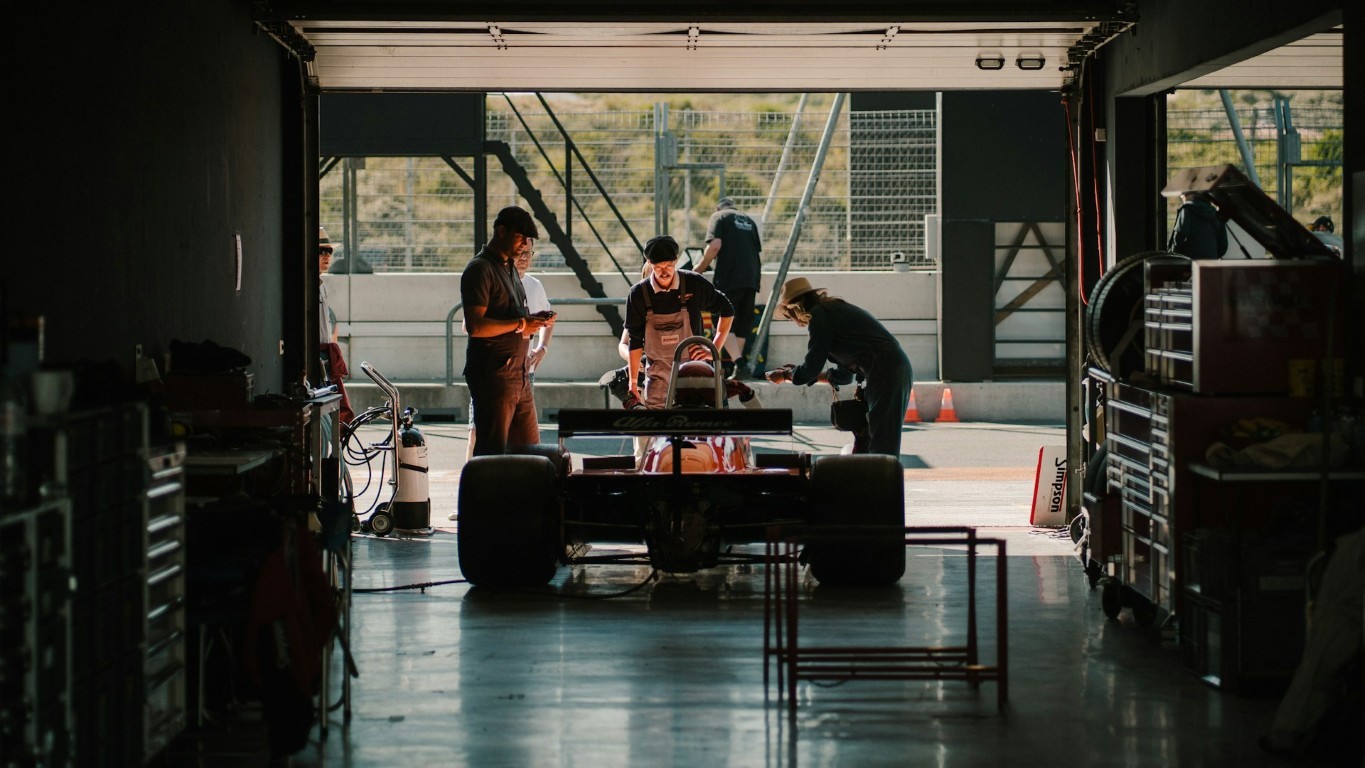
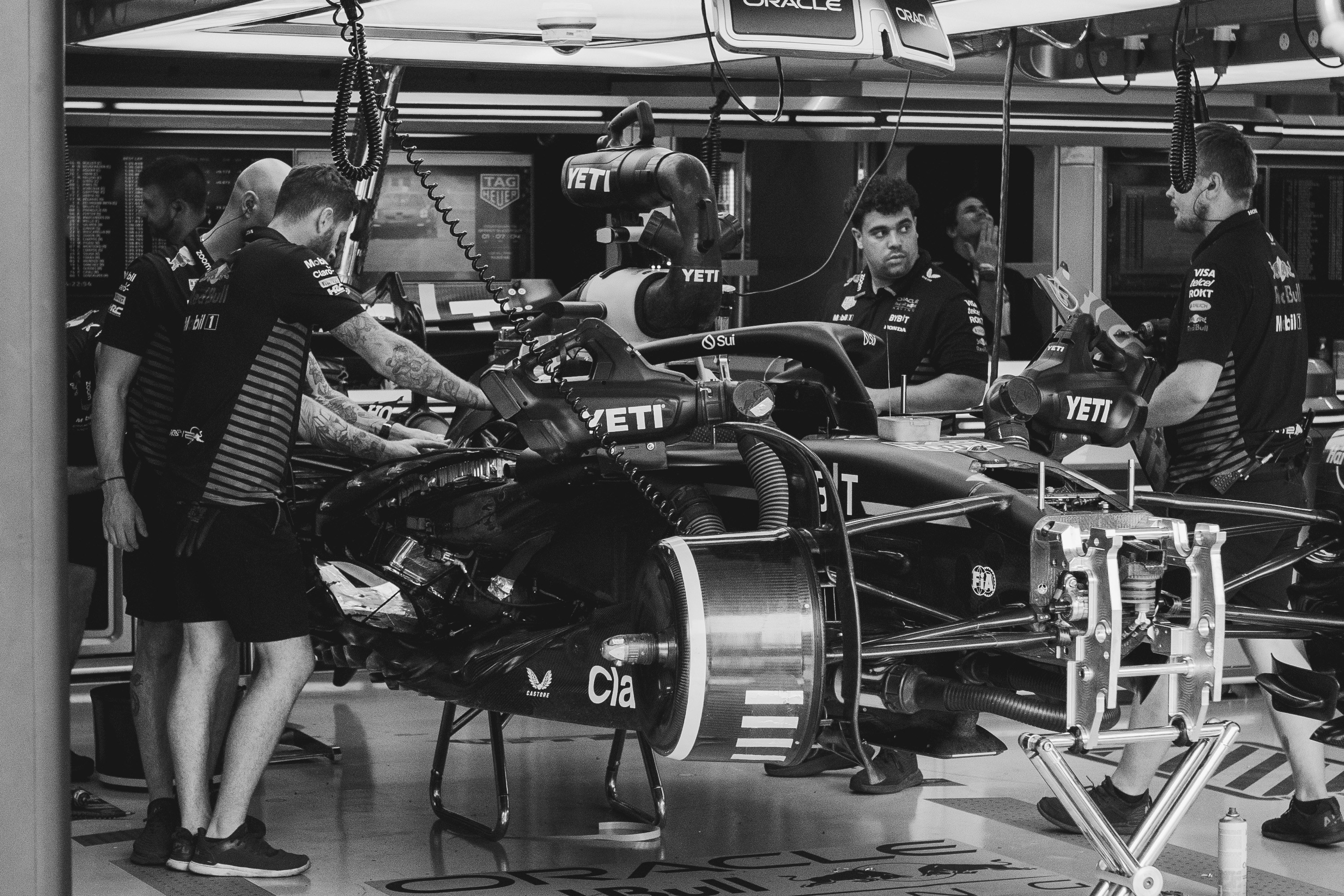
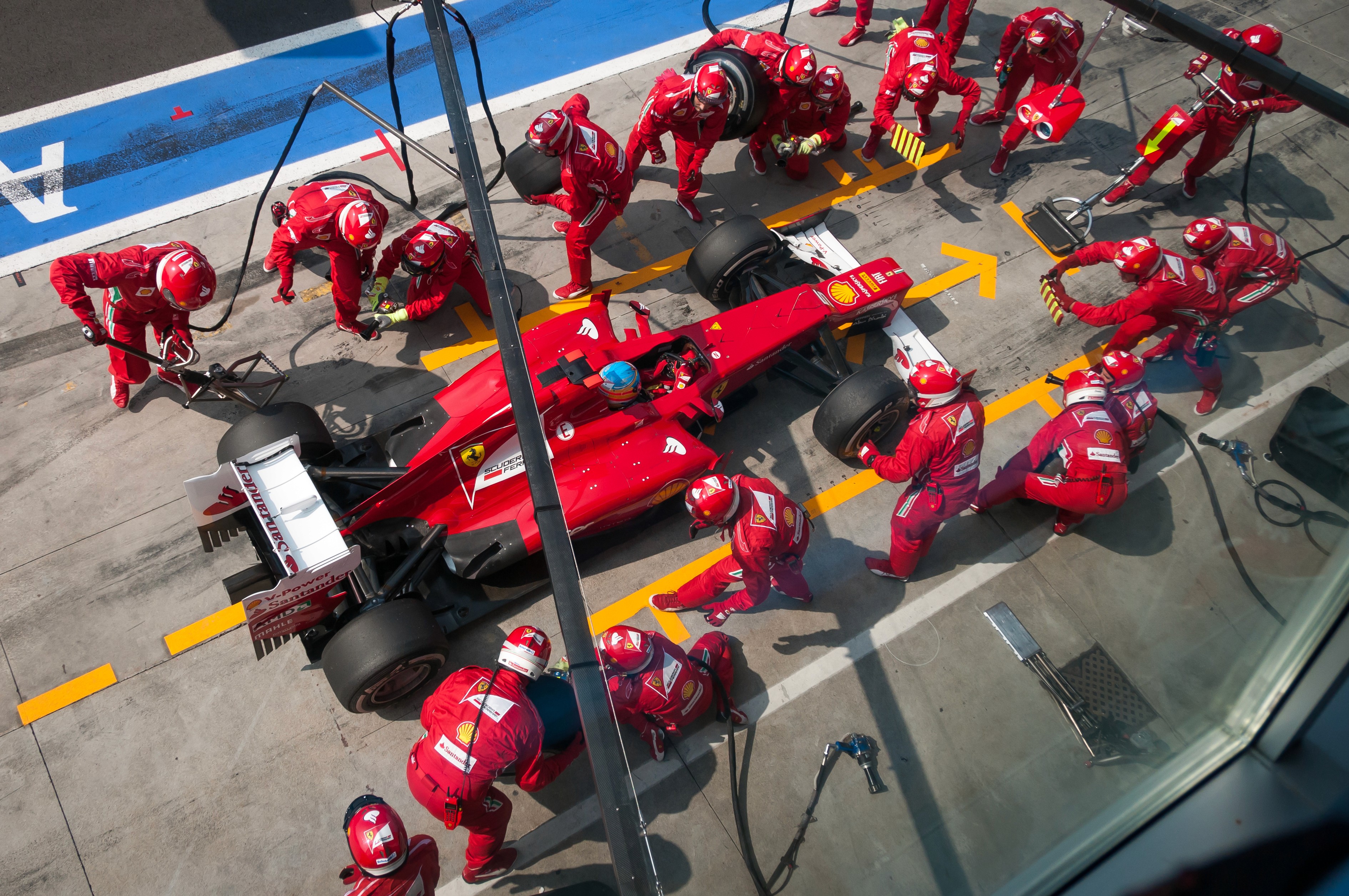
Formula One is one of the most consistent high-performing environments in the world.
It’s not just fast, it’s a system built to demand extraordinary results against elite peers, race after race, year after year.
The stakes are constantly visible and extreme, with cutting-edge engineering, elite human performance, and massive financial exposure. Hundreds of millions of dollars are invested for gains measured in milliseconds.
In this environment, the stakes drive high performance because they:
Create attention density: with constant upgrades, tight margins and limited funding, teams can’t afford misaligned priorities.
Force commitment: rivals move fast and teams can’t wait. They must commit and course-correct later.
Accelerate learning: Each race exposes what worked and what didn’t, and teams adjust fast or fall behind.
Reveal skill under constraint: Highs takes show who can execute under pressure
Most importantly, the system doesn’t let standards drift. Small lapses are visible. Performance isn’t judged once, it’s judged repeatedly, against the best.
In this environment, performance isn’t driven by motivation alone. It’s driven by the cost of getting wrong and the payoff when you get it right.
Application
If you want a high-performing organisation, make the stakes explicit in your operating rhythm.
Ask:
What do we win if we succeed?
What do we lose if we fail?
What is at risk, who is affected?
What happens if you fall short?
This isn’t about creating panic, it’s about clarity. Most organisations aren’t F1 but leaders can still make consequences real.
If the consequences are vague, performance will be too.
High-performing environments make the stakes visible, tangible and hard to ignore.
Curious?
Stay tuned for Part 3: Proving high performance